Uganda is a true year-round destination for wildlife and mountain gorilla trekking enthusiasts, but the best time to visit Uganda for the best game viewing and trekking conditions is during the two dry seasons: December to February and June to September. Temperatures remain fairly steady throughout the year, typically ranging between 24°C and 30°C, while heavy rains during the wet seasons can make some trails and roads, including those leading to gorilla habitats, more challenging to navigate.
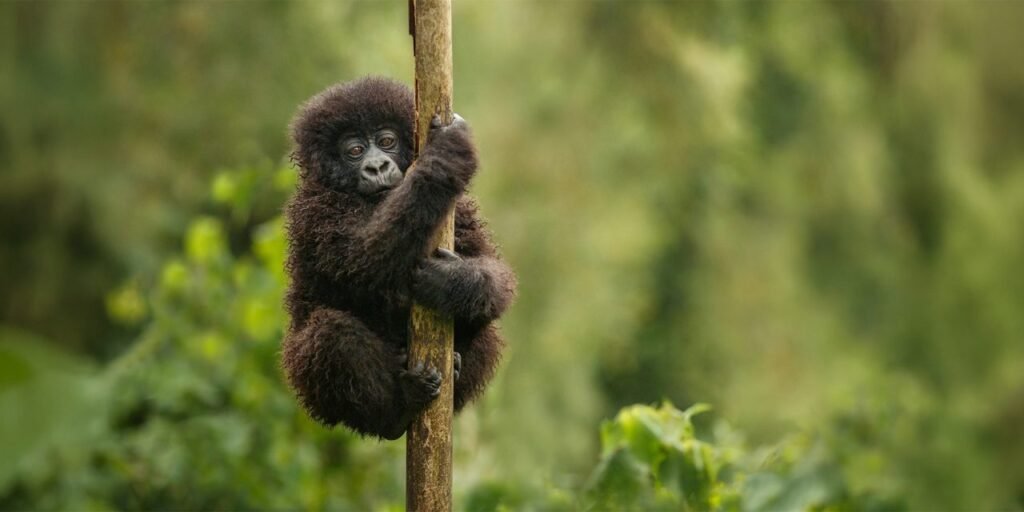
When is the Best Time for Gorilla Trekking?
The best time to visit Uganda for an up-close encounter with the elusive mountain gorilla is during the dry seasons, from December to February or June to August. During these months, the skies are usually clear, the days are sunny, and trekking trails are largely free of mud, making the journey through the forest more comfortable and enjoyable. Mountain gorillas can be observed year-round, but trekking in the Bwindi Impenetrable Forest during the rainy season presents extra challenges. Trails become muddy and slippery, steep hills are harder to climb, and dense tropical foliage can slow progress. Despite these obstacles, visiting in the off-season offers its own rewards. With fewer tourists on the trails, you may have a more intimate experience, observing a gorilla family in near solitude and fully appreciating these remarkable primates in their natural habitat.
Uganda by Month: The Ultimate Travel Guide
January
Best for: cooling off in the misty mountains
January is the hottest month in Uganda, with sunny days and temperatures between 24ºC and 32ºC. This makes it an excellent time to escape the heat in lowland areas and explore cooler highlands like Bwindi Impenetrable National Park or the Rwenzori Mountains National Park. The shorter dry season means minimal rainfall, keeping hiking trails accessible and wildlife trekking enjoyable. Travelers can expect clear skies, comfortable forest hikes, and ideal conditions for spotting Uganda’s diverse wildlife.
February
Best for: dry-season gorilla trekking and wildlife safaris
February is one of the driest months in Uganda, offering perfect conditions for gorilla trekking and wildlife safaris. With reduced rainfall, trails in Bwindi Impenetrable National Park and Mgahinga Gorilla National Park are easier to navigate, and vegetation thinning enhances game spotting in savannah parks like Queen Elizabeth. Temperatures range from 25ºC in the highlands to 29ºC in Kampala, providing warm, sunny days for outdoor activities and photography. This is a prime month for adventure seekers and wildlife enthusiasts.
March
Best for: lush green landscapes and birdwatching
March marks the start of Uganda’s long rainy season. While afternoon showers are frequent, they bring stunning greenery, blooming flowers, and dramatic landscapes—perfect for photographers. Birdwatchers will enjoy migratory species arriving across Queen Elizabeth and Mabira Forest, and national parks remain quieter, offering more personal wildlife encounters. Despite heavier rains, trekking and safari trips can still be rewarding with the right rain gear.
April
Best for: ideal weather for all outdoor activities
July is a perfect month for Uganda travel. Dry, sunny days (around 25ºC) and cooler highland nights (down to 13ºC) make trekking, gorilla encounters, and safaris highly enjoyable. Wildlife gathers near watering holes, enhancing spotting opportunities, while gorilla treks in Bwindi are manageable thanks to the dry trails. Boat cruises on the Nile and hiking in the Rwenzori Mountains National Park are also popular this month.
May
Best for: wildlife photography and leopard spotting
August is Uganda’s driest month, providing exceptional visibility for safaris and photography. Sparse vegetation makes it easier to spot elusive animals like leopards, while elephants, lions, and buffalo are more concentrated around water sources. Nights can be chilly (around 14ºC in highlands), so packing layers is essential. Dry trails make gorilla trekking, chimpanzee tracking, and forest hikes easier than any other month.
June
Best for: peak-season adventure and lush scenery
June marks the start of Uganda’s peak tourist season, with warm, dry weather and temperatures averaging 27ºC. Vegetation begins to thin, improving wildlife visibility across parks like Murchison Falls, Kidepo Valley, and Queen Elizabeth. Gorilla trekking permits sell out fast, so early booking is essential. The country is buzzing with activity, and visitors can combine safaris, birdwatching, and cultural tours for a full Ugandan adventure.
July
Best for: quiet parks and low-season accommodation deals
April is Uganda’s wettest month, but adventurous travelers can enjoy off-peak benefits. Gorilla trekking permits in Bwindi Impenetrable National Park are easier to secure, and national parks are largely empty. Though trails may be muddy, gorillas often descend to lower altitudes, making encounters faster. Rain showers are manageable with proper gear, and accommodation is significantly cheaper. April is perfect for travelers seeking intimate wildlife experiences and budget-friendly Uganda travel.
August
Best for: fewer crowds and intimate wildlife encounters
May is the tail end of the long rainy season. Trails remain wet, but gorillas are still visible at lower altitudes before moving up in June. Wildlife spotting in parks like Queen Elizabeth or Kibale Forest is still excellent, and off-season pricing makes accommodations and permits more accessible. Travelers can enjoy quieter gorilla treks and safari experiences, often sharing sightings with only a few other visitors.
September
Best for: chimpanzee tracking and forest exploration
Early September is ideal for chimpanzee trekking in Kalinzu, Kyambura Gorge, Budongo Forest, or Kibale Forest before the second rainy season begins. Trails are still dry, and visibility is excellent for spotting over 300 chimpanzees in their natural habitat. Birdwatchers can enjoy the last migratory species before rains arrive. The forest is lush but accessible, perfect for hiking, photography, and adventure travelers.
October
Best for: last-minute Uganda travel deals
October marks the start of Uganda’s short rainy season. Showers are frequent but brief, leaving plenty of sunny periods for gorilla trekking, safari drives, and birdwatching. National parks are quieter, and accommodations often offer discounts. Gorilla permits are easier to secure, and despite muddy trails, the vibrant green landscapes make this month great for photographers and off-season travelers.
November
Best for: shoulder season quietness and wildlife photography
November offers a mix of rainy and dry days, with temperatures ranging from 18ºC to 28ºC. Migratory birds begin returning, making it ideal for birdwatching and nature photography. With fewer tourists on the trails, this shoulder season provides a more relaxed experience for gorilla trekking, safaris, and hiking in Uganda’s national parks. Accommodation and tour prices remain affordable before the second peak season begins.
December
Best for: adventure activities in Jinja and Nile relaxation
December brings dry, predictable weather, perfect for adventure and relaxation. Jinja, on Lake Victoria’s shores and home to the Nile’s source, offers rafting, kayaking, tubing, and sunset cruises. Wildlife spotting in nearby parks is excellent, and dry trails make gorilla trekking and hiking enjoyable. Temperatures are comfortable, allowing travelers to combine adrenaline-filled activities with serene riverfront experiences.