
Uganda Gorilla Trekking Tours
Gorilla Trekking In Uganda
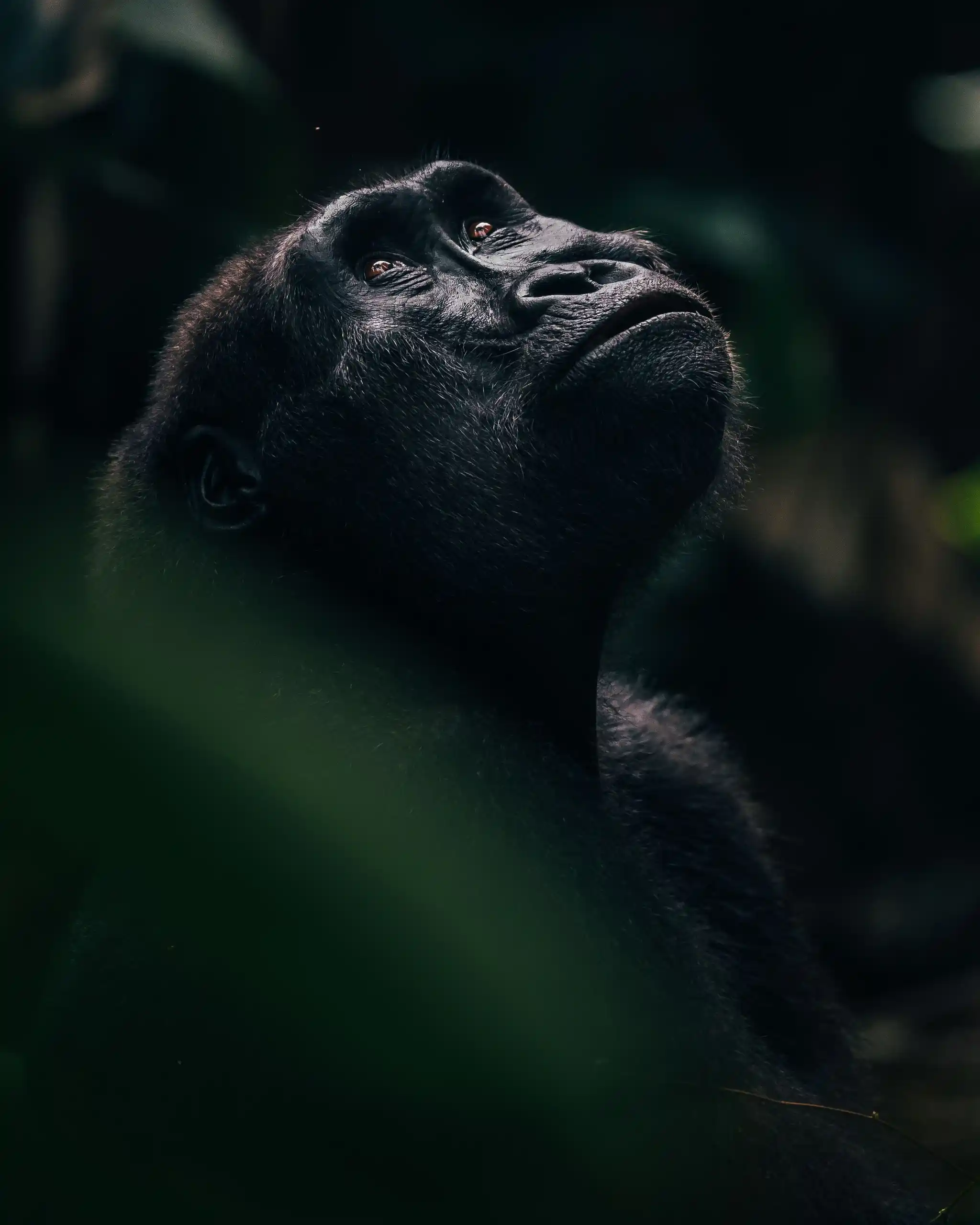
Gorilla Trekking in Uganda is one of the most impressive nature experiences in Africa. In the dense green jungles of Bwindi Impenetrable Forest National Park and Mgahinga Gorilla National Park live more than half of world’s last mountain gorillas. During a carefully guided gorilla trekking tours, you come face to face with these gentle giants in their natural habitat. The moment you see a family of gorillas up close will stay with you.
Wildfriends Africa
Wildfriends Africa is a specialist in organizing private trips to Uganda. Our Uganda safari specialists have personally participated in multiple gorilla treks. They know from experience how a trek unfolds, which accommodations are conveniently located, and what to expect during a gorilla trekking adventure. This allows them to provide clear and personalized advice on the travel options that best suit your needs.
Popular Uganda Gorilla Trekking Trips
Gorilla Trekking Areas In Uganda
The most important areas for Uganda gorilla trekking tours are located in the southwest of the country. Bwindi Impenetrable National Park is the best-known destination and comprises four sections, each with its own atmosphere and location, including Buhoma, Ruhija, Rushaga, and Nkuringo. Mgahinga Gorilla National Park, in the volcanic Virunga Mountains, also offers an impressive environment where you sometimes hear only the soft sounds of the forest for hours.
Carefully selected locations
The gorilla trekking permit you book through Wildfriends Africa is linked to a specific starting point (sector). We thoughtfully tailor your route and place to stay to this area, ensuring you stay close to the start of the gorilla trek. This offers a relaxed start to the day and prevents unnecessary loss of time, contributing to a well-balanced route and travel experience.
Stay overnight at your starting point
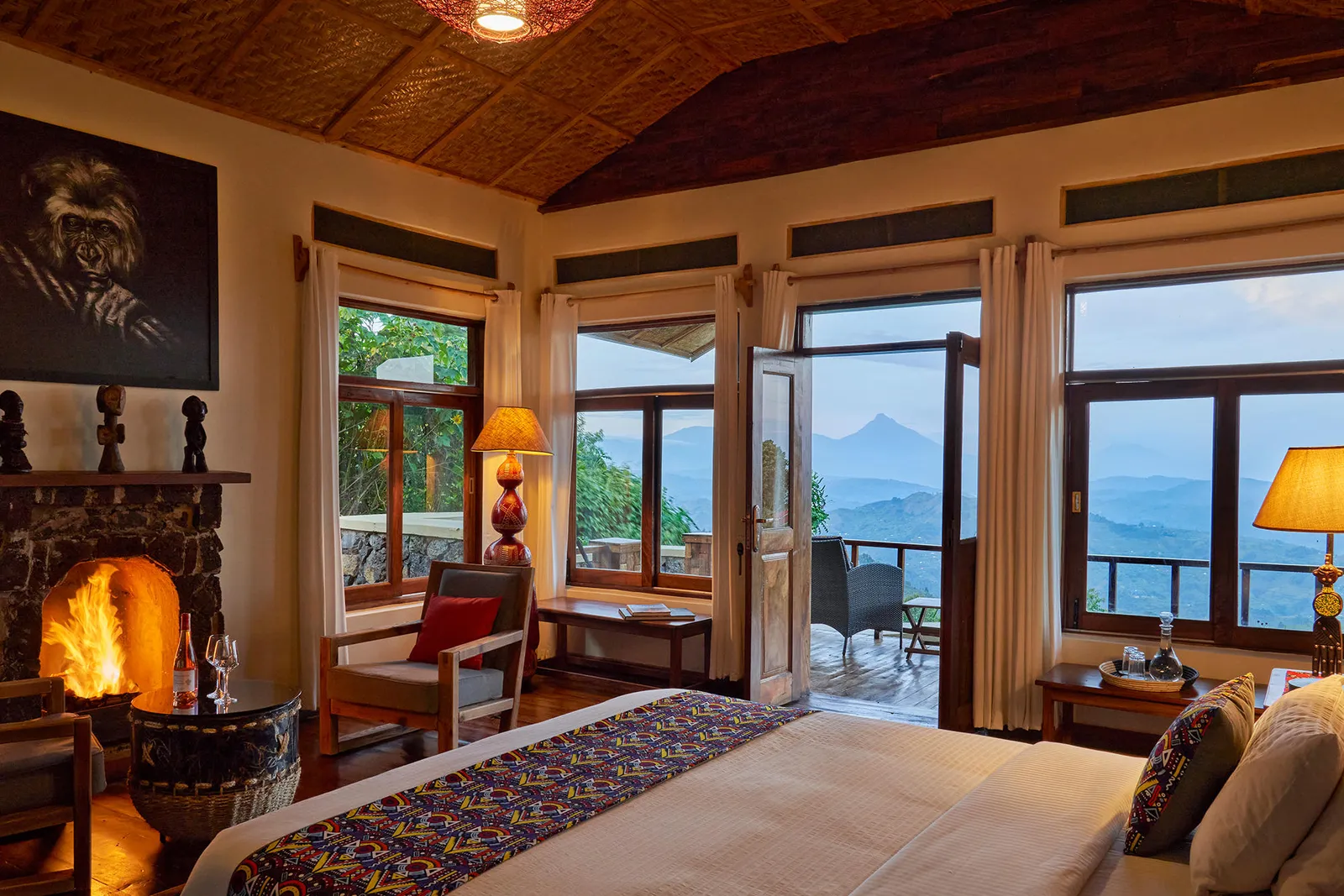
The lodges we offer are located as close as possible to the gorilla trekking point or sector. The accommodations range from comfortable budget and midrange to luxurious options. They are often beautifully located, with views of the forest or hilly terrain. Here you can unwind with fine amenities and personal service, ideal after an intensive trek.
Gorilla Trekking Areas in Bwindi Impenetrable Forest
Bwindi is divided into four trekking sectors, named after the surrounding villages. Each sector works as a self-standing gorilla trekking destination, with its own gorilla families, permits, and accommodation options.
Buhoma Sector
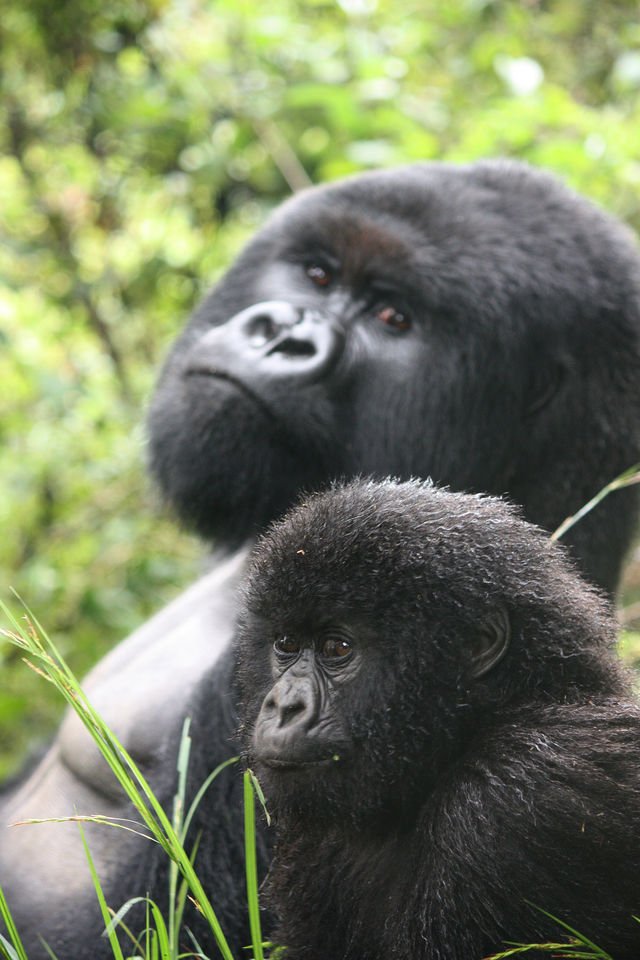
Buhoma is located in the northern part of Bwindi. It is the most visited and accessible sector of the park for travellers arriving from Entebbe or Kampala. It is about a 3 to 4-hour drive from Queen Elizabeth National Park and has the largest number of accommodation options in Bwindi. As the first area opened for gorilla tourism, Buhoma is where gorilla trekking began in 1992 with the habituation of the Mubare Gorilla Family. Today, the Mubare, Habinyanja, Katwe, and Rushegura families all call this sector home. Because of its popularity, gorilla permits for Buhoma often sell out quickly, especially during the peak months of June, July, and August. Beyond gorilla trekking, visitors can enjoy community visits, excellent birdwatching, and some of the most scenic forest trails in Africa.
Ruhija Sector
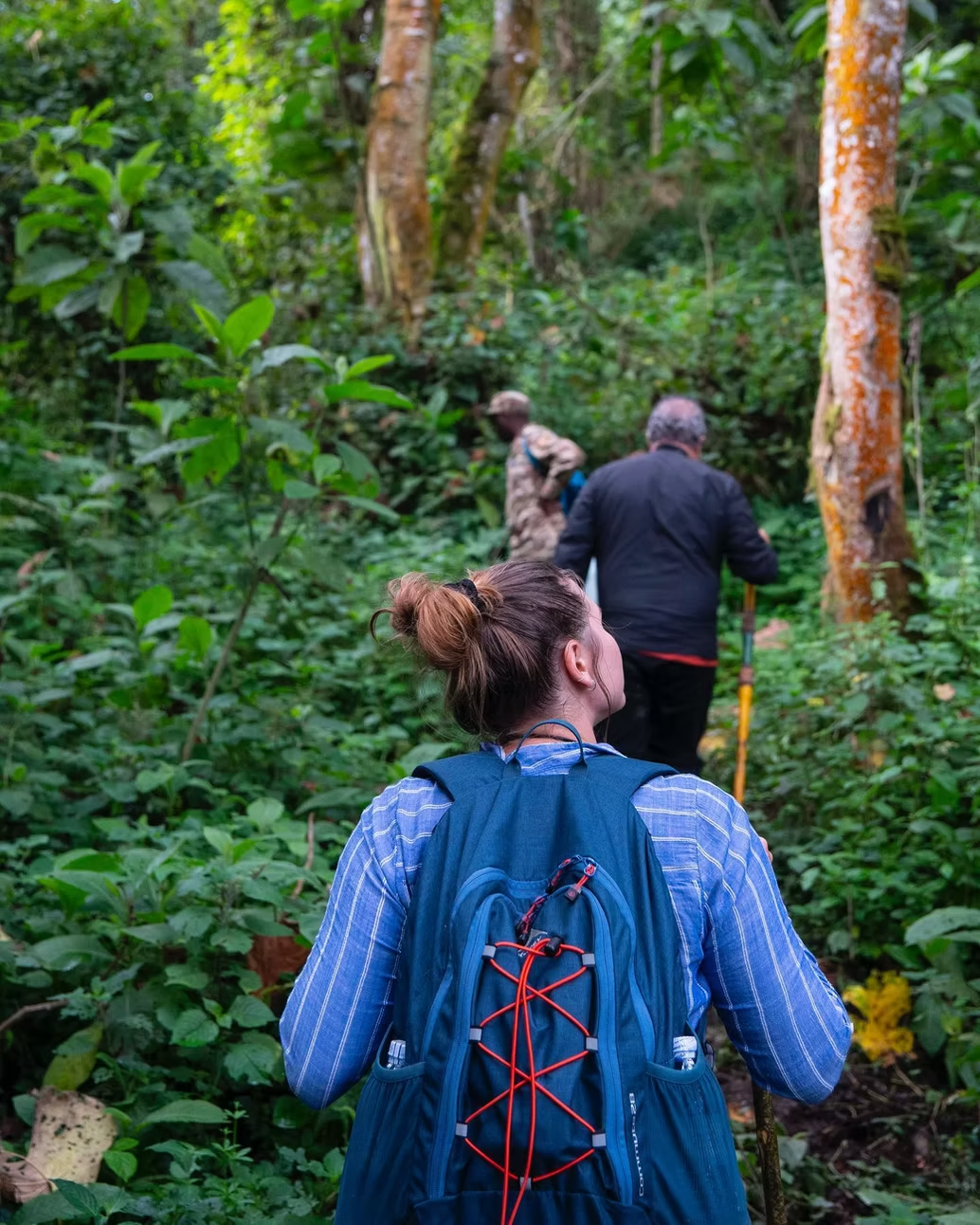
Ruhija is located in the eastern part of Bwindi Impenetrable National Park and is less visited than Buhoma, making it a great choice for travellers seeking a quieter gorilla trekking experience. The sector is home to the Kyaguriro, Oruzogo, and Bitukura Gorilla Families. Ruhija is also one of the best areas in Bwindi for birdwatching and hiking. The area is renowned for its rich birdlife, including several Albertine Rift endemics. Visitors can also meet the Batwa people, the original inhabitants of the forest, and learn about their traditional way of life and survival skills. Although forest elephants are rarely seen, Ruhija offers one of the best chances of spotting them. It has fewer accommodation options than Buhoma but is an excellent alternative when permits are unavailable there.
Rushaga Sector
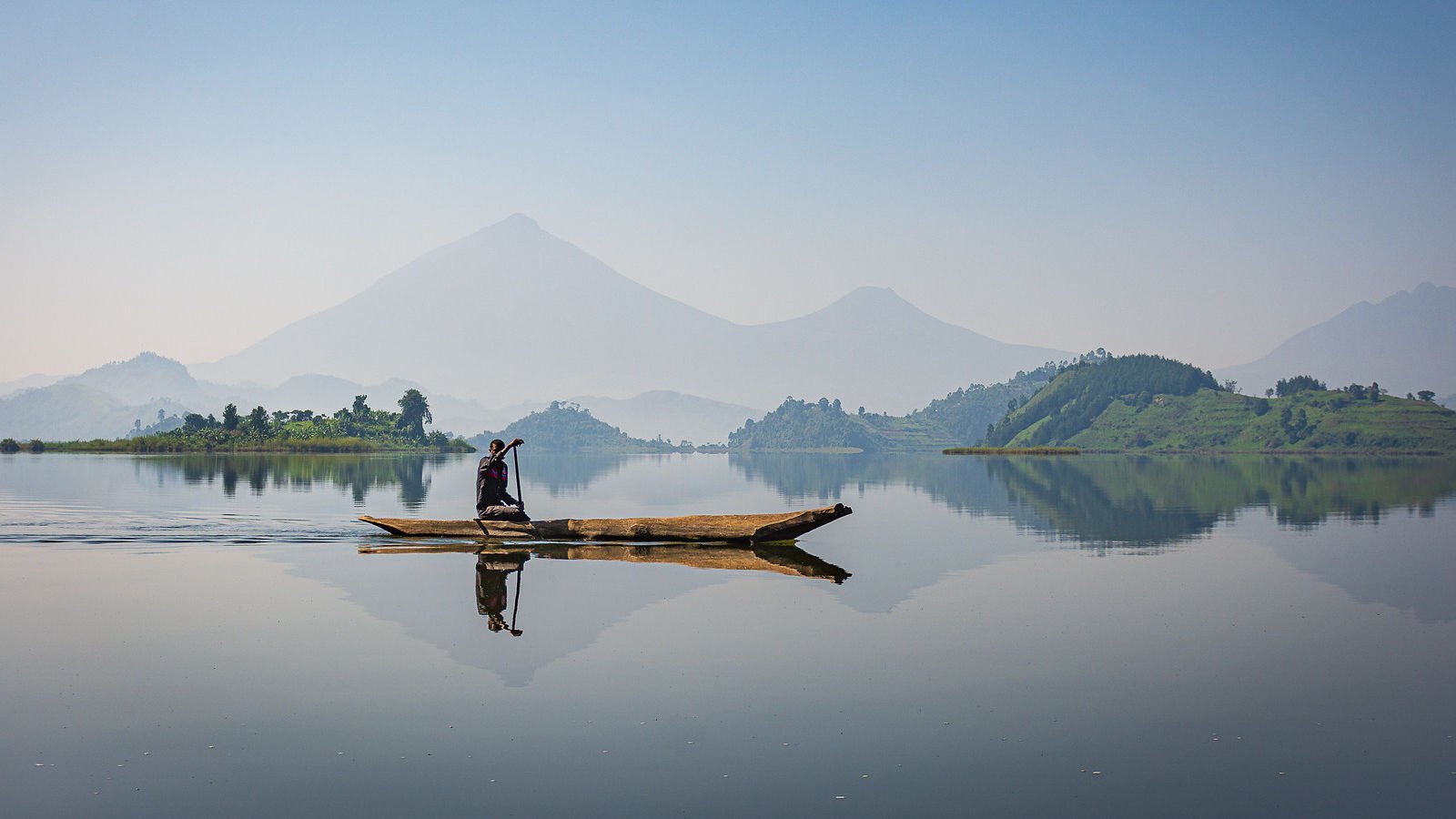
Rushaga, located in the southern part of Bwindi, is one of the best sectors for gorilla trekking. It is home to the largest number of habituated gorilla families in Bwindi, including Bikingi, Bweza, Busingye, Kahungye, Mucunguzi, Rwigi, Mishaya, and the famous Nshongi Family, the largest gorilla family in Bwindi. What makes Rushaga particularly special is the Gorilla Habituation Experience, available with selected families. This unique activity allows you to spend up to four hours with the gorillas, compared to the standard one-hour trekking experience. The sector is also close to the beautiful Lake Mutanda, where visitors can enjoy a relaxing boat cruise or take an adventourous canoe ride while taking in the spectacular scenery of the Virunga Volcanoes and surrounding hills.
Nkuringo Sector
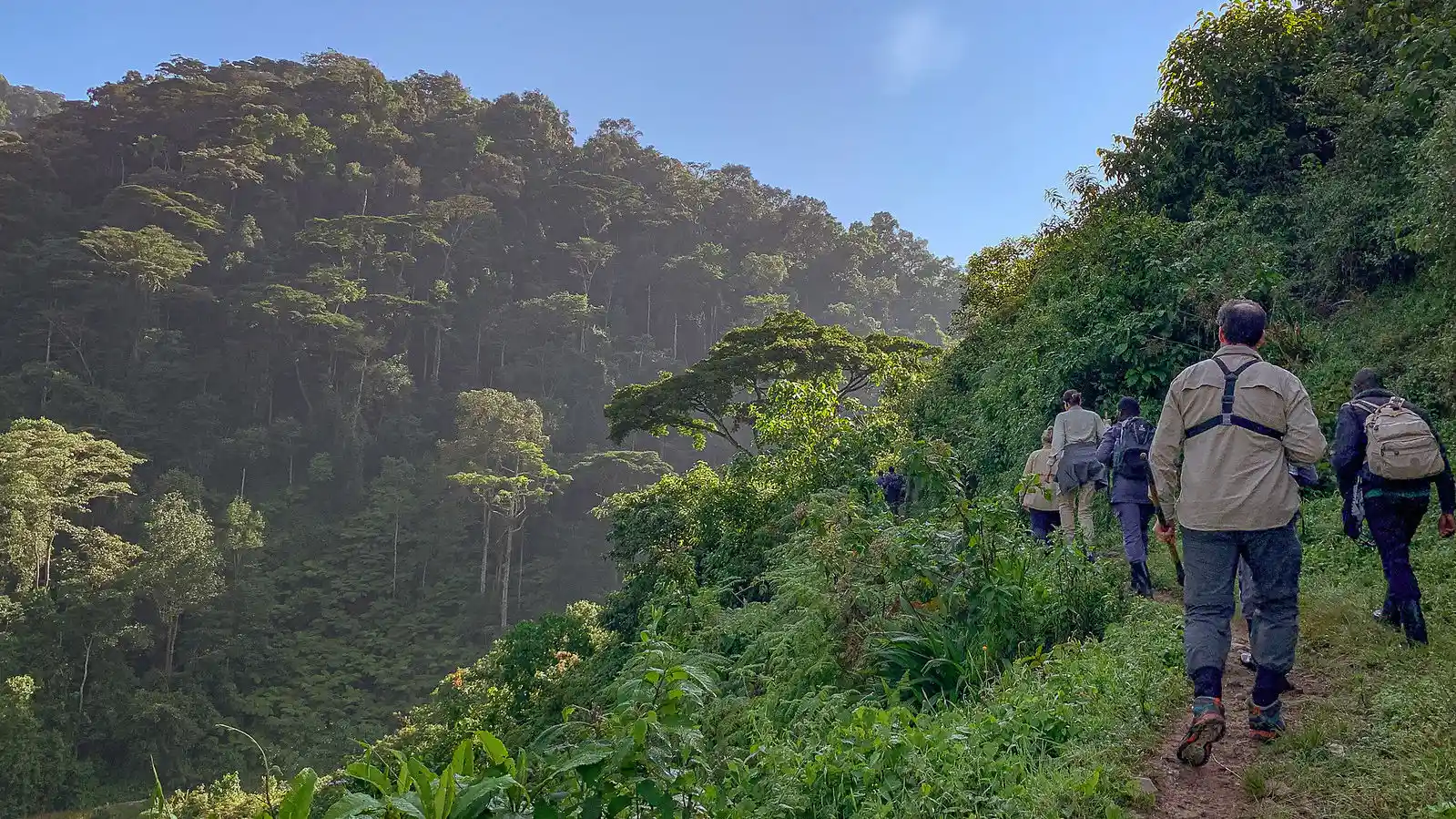
Nkuringo, located in the southwestern part of Bwindi Impenetrable National Park, is home to the Nkuringo, Bushaho, Christmas, and Posho Gorilla Families. It is widely regarded as the most scenic sector in Bwindi, offering breathtaking views of the Virunga Volcanoes and the surrounding forested hills. The spectacular landscapes come with steeper terrain, making this sector best suited for travellers who are reasonably fit and enjoy a more active trekking experience. Nkuringo has fewer accommodation options than other sectors. However, because it is located close to Rushaga, many visitors choose to stay in Rushaga and trek gorillas in Nkuringo. This allows you to enjoy the beauty of the sector while benefiting from a wider range of lodging choices nearby.
Choosing Lodges and Camps for your gorilla trekking
There are many excellent lodges and camps located around the gorilla parks. Some are situated in nearby communities, while others are nestled right on the forest edge. Whenever possible, I recommend staying close to the forest, as you may be rewarded with sightings of monkeys and other wildlife right from your lodge. If you plan to book your own accommodation, it is important to know which gorilla trekking sector your permit is assigned to: Buhoma, Ruhija, Rushaga, or Nkuringo. These sectors are located far apart, so choosing accommodation in the same sector is highly recommended. While it is possible to travel between Buhoma and Ruhija (about 2 hours) or between Rushaga and Nkuringo (about 1 hour), other combinations involve much longer drives. For example, Buhoma and Nkuringo are approximately 6 hours apart by road. Staying in the correct sector will save time and make your gorilla trekking experience much more enjoyable.
Gorilla Permits And Preparation
A permit is required for gorilla trekking in Uganda, costing US$ 800 per person. The number of permits per day is limited. The demand for them is high. They often sell out months in advance. Booking early through Wildfriends Africa is therefore essential, especially if you wish to go on a specific date or are traveling with multiple people.
A trek requires some preparation. We advise you to bring the following:
- Sturdy, broken-in hiking boots.
- (Garden) gloves for extra hand protection.
- A lightweight and breathable raincoat; it is still the rainforest, after all.
- A porter who carries your backpack (for an additional fee) and supports you on steep or slippery sections.
The minimum age for participation is 15 years. A good basic level of fitness makes the experience more enjoyable, as you will be walking at an altitude of 2,000 to 2,500 meters and the terrain can sometimes be muddy or steep. The duration of the trek varies by day and by gorilla family. Sometimes you will find the animals after an hour, sometimes it takes longer. The reward is always special.
Your Gorilla Trekking Trip
May We Help You?
From gorilla permits to transport, and from accommodations to activities: helping you find your way around Uganda and Rwanda is what we love to do! Receive more information free of charge and without obligation.
Gorilla Safaris
Contact
- +256 (704) 630 390
- +256 (394) 860 595
- info@trekwildgorillas.com
- wildfriendsug@gmail.com
Trek Wild Gorillas
Typing...
Have A Question About Gorilla Trekking? We’re happy to help you plan your journey. Chat with us on WhatsApp, we are online
Contact Us
Chat