
Gorillas are some of the closest living relatives we have in the animal kingdom. Their social lives, behaviours, and interactions are fascinating and surprisingly complex. Understanding how gorillas live and interact with one another is not only important for scientists and conservationists but also for visitors who want to experience gorilla trekking safely and respectfully. At Wildfriends Africa, we believe that knowing more about gorilla behaviour helps people appreciate them even more. Let us dive into the world of gorillas and explore their social lives, daily routines, and behaviours.
Structure of Gorilla Society
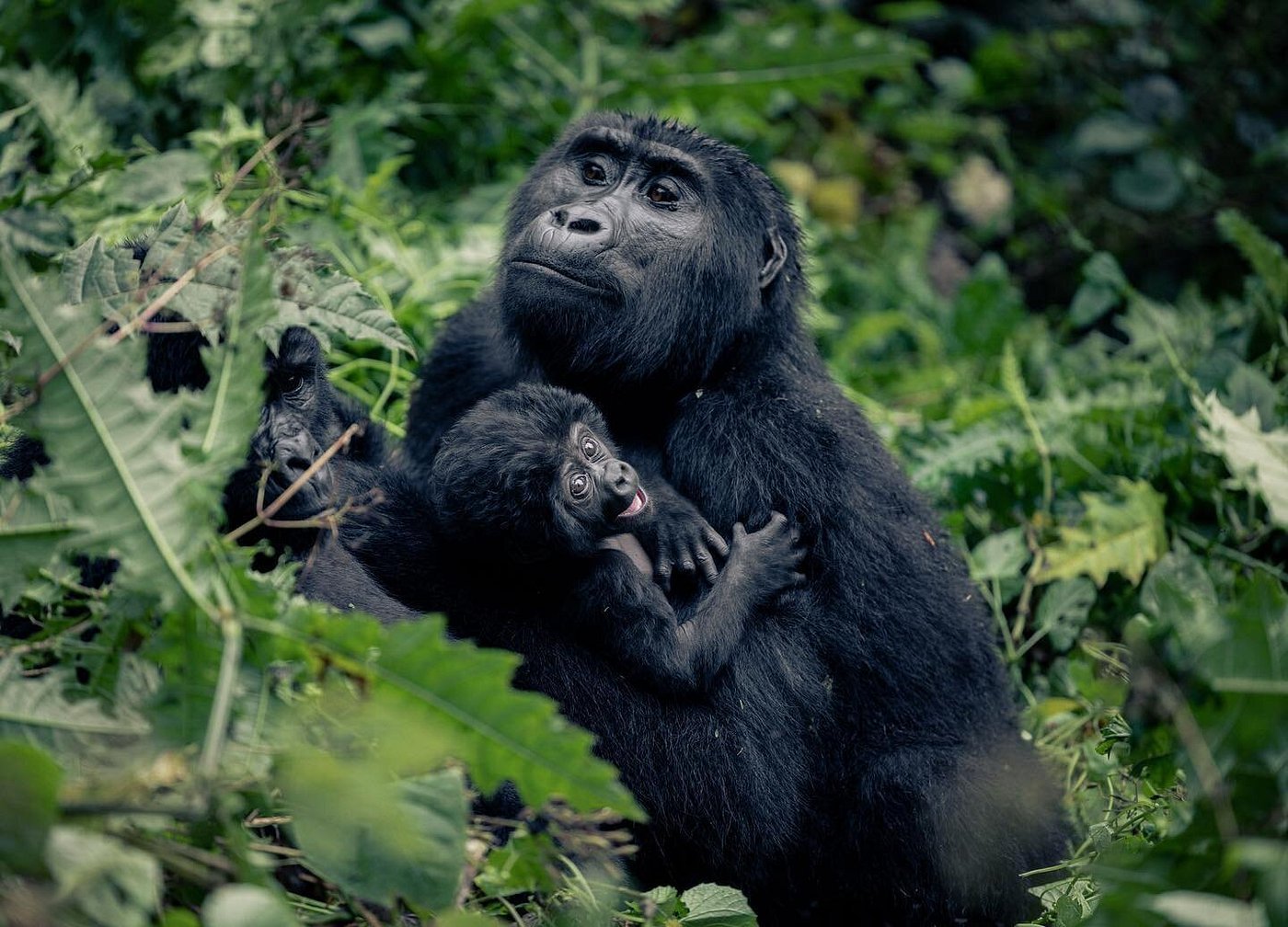
Gorillas live in social groups called troops or families. The families are usually led by a single adult male called the silverback. A typical gorilla family consists of one dominant silverback, several adult females, their young offspring and sometimes younger subordinate males called blackbacks. Family sizes can vary greatly, usually ranging from 2 to 30 individuals, though there have been rare cases of over 60 gorillas living together.
The Silverback: The Leader of the family
The silverback is the cornerstone of the family.
This adult male, usually over twelve years old, is easy to recognize because of the silver patch of hair on his back. He is responsible for making all the major decisions for the group, including when to eat, rest, and move from one feeding or sleeping site to another. Beyond logistical decisions, the silverback maintains peace within the family, resolving disputes between members and ensuring that harmony is preserved.
Protection is another key responsibility. The silverback shields his family from predators, such as leopards, and also protects them from threats posed by rival gorillas. Leadership in gorilla society is based largely on trust and authority rather than aggression.
While silverbacks are capable of physical dominance, they often use displays to avoid confrontation. The famous chest-beating behaviour is a good example. When a silverback pounds his chest, it is usually meant as a warning to others—a way of saying “I am strong, do not challenge me”—rather than a signal to fight.
Females and Their Young
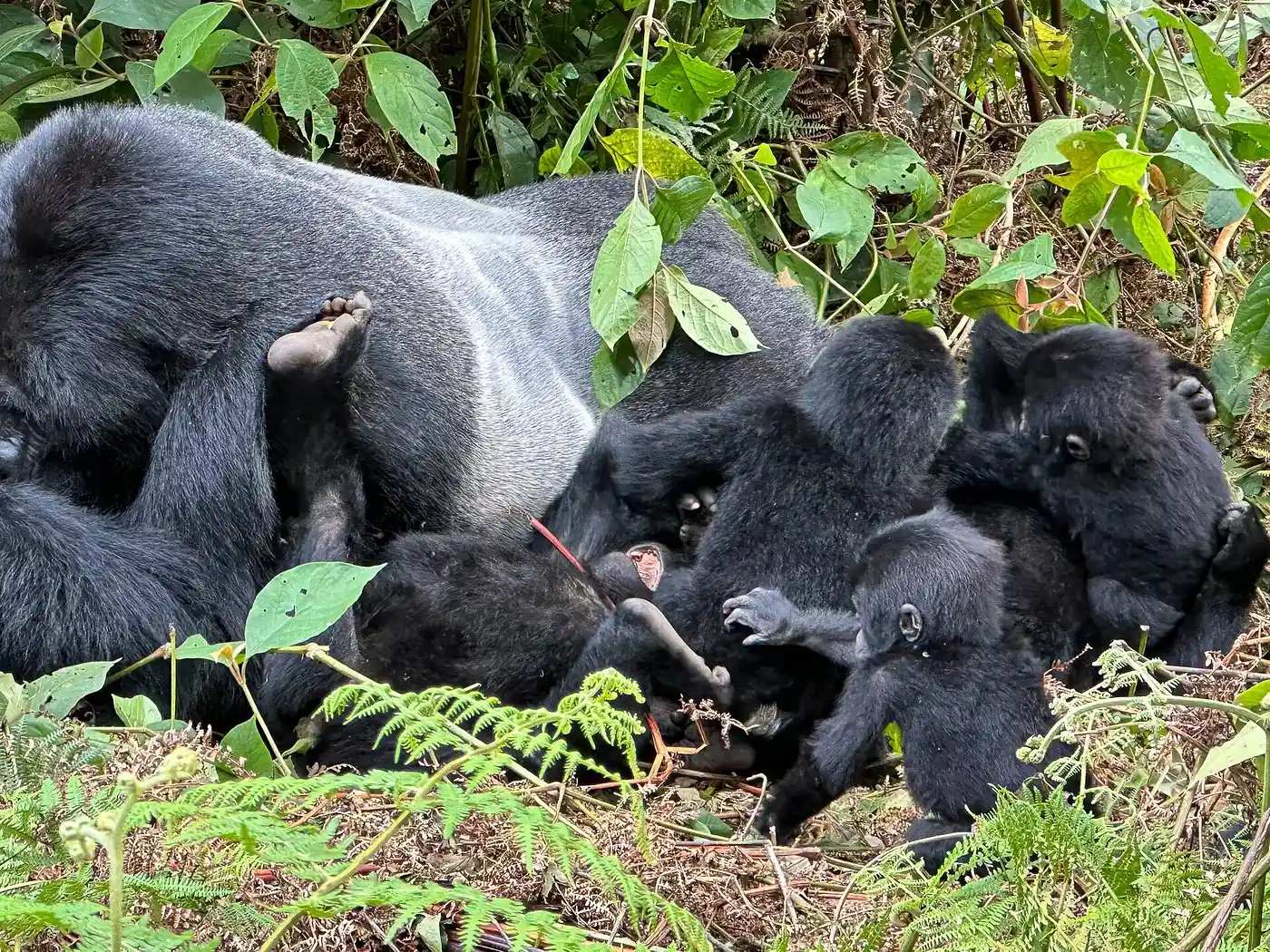
Adult females are essential to the family’s stability. They primarily care for their young and form the core social group alongside the silverback. Female gorillas sometimes leave their birth group to prevent inbreeding, joining new troops in search of a silverback who offers strong leadership and protection. The order in which females join the family and their proximity to the silverback often determine their social status within the group.
Female gorillas build close relationships with each other, particularly through grooming and cooperative care of infants. These strong social bonds help maintain harmony and cohesion in the family. The presence of nurturing females ensures that young gorillas receive the attention and guidance they need to grow and eventually take their place in society.
Blackbacks and Male Dispersal
Young, non-dominant males, called blackbacks, are often the future of gorilla society. While they are not yet leaders, they serve as backup protectors for the family and learn important social and survival skills from observing the silverback. When blackbacks reach sexual maturity, most leave their natal family to avoid conflicts with the dominant male. They may live alone for a few years or form bachelor groups with other young males until they are ready to attract females and establish their own family troop. This dispersal process reduces aggression within the family and ensures genetic diversity among gorilla populations.
Behaviours Exhibited by Gorillas
Gorillas display a wide range of behaviours that make their social lives fascinating to observe. These behaviours help them communicate, survive, and maintain strong social bonds.
Communication
Gorillas exhibit a wide variety of behaviours that are essential for communication, social bonding, and survival. They communicate through vocalizations, facial expressions, and body language. Grunts, barks, roars, and rumbling noises serve different purposes, from signalling contentment to alerting others of potential danger.
Facial expressions convey emotions such as happiness, fear, or anger, while gestures and postures help gorillas assert dominance, warn rivals, or indicate social intentions.
The chest-beating display of silverbacks is particularly well-known. While it may look aggressive to human observers, it is mostly a warning meant to prevent fights, not a signal of immediate attack. Such displays are a key part of gorilla society, helping maintain order and prevent unnecessary conflict.
Feeding and Foraging
Feeding and foraging are daily priorities. Gorillas are primarily herbivorous, feeding on leaves, stems, bark, fruits, nuts, and seeds. Occasionally, they may eat small insects. The family moves together while searching for food, which strengthens social bonds and ensures that all members have access to nourishment. Feeding is therefore both a survival activity and a social exercise, reinforcing cohesion within the group.
Grooming
Grooming is another critical behaviour. By picking through each other’s fur to remove dirt and parasites, gorillas maintain hygiene while simultaneously building trust and strengthening relationships. Grooming is particularly important for females, who often use it to bond with each other and with their young.
Play
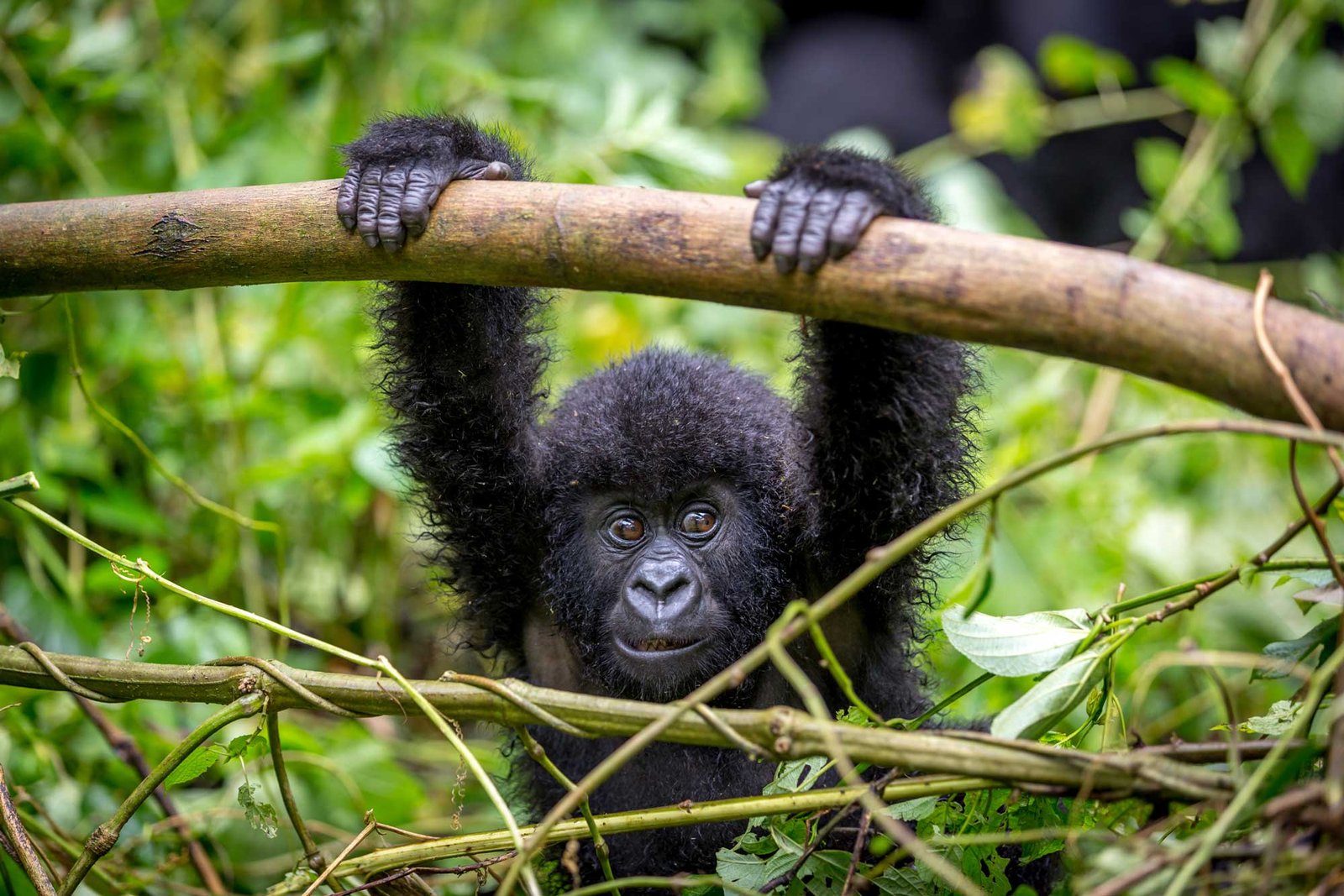
Play is essential for young gorillas. They wrestle, chase each other, climb trees, and imitate adult behaviours. These playful activities are not only fun but also help develop physical strength, coordination, and social skills. Play teaches young gorillas how to interact with others, understand hierarchy, and prepare for adult life.
Conflict Resolution
Gorillas generally avoid conflict whenever possible. The silverback maintains peace within the troop, and most disputes are resolved through displays and intimidation rather than physical fights. Aggression usually escalates only if a dominant position is being challenged. Even when two troops meet, aggressive encounters are mostly limited to chest-beating and posturing, with serious injuries being rare.
Daily Routine of Gorillas
Gorillas follow a predictable daily routine centered around feeding, resting, and social interaction. They wake up very early in the morning and begin foraging for food, moving together as a group to find the best feeding spots. When the midday sun becomes too hot, the troop rests in the shade, grooming each other or simply relaxing.
In the afternoon, they resume feeding and may move toward new sleeping sites before dusk. Just before nightfall, each gorilla constructs a nest using leaves and branches where they sleep. Infants usually sleep next to their mothers for protection and comfort. This daily routine highlights the organized and cooperative nature of gorilla life, with each member contributing to the wellbeing of the group.
Conservation Implications
Understanding gorilla behaviour and social structure is essential for conservation efforts. Protecting their habitats, reducing human-wildlife conflict, and educating the public about their social dynamics are crucial for ensuring their survival. By observing and respecting gorilla social structures, visitors can gain a deeper appreciation for these animals while supporting conservation initiatives.
Learning about gorillas’ leadership, communication, and daily routines also provides insight into the complexity of their social lives. It reminds us that gorillas are not only intelligent and social but also vulnerable and in need of protection. Responsible eco-tourism, such as guided gorilla trekking, helps raise awareness and generate resources for their conservation.
Conclusion
Gorillas are intelligent, social, and deeply connected to their family groups. From the guidance of the silverback to the playful behaviour of young gorillas, their lives are full of cooperation, learning, and social interaction. Understanding these behaviours allows us to appreciate their emotional depth and the sophistication of their society.
At Wildfriends Africa, we encourage visitors to experience gorilla trekking ethically and respectfully. Observing these animals in their natural environment offers an unforgettable glimpse into a world that is both powerful and gentle. By learning about and respecting gorilla behaviour, we not only enrich our own experiences but also contribute to the conservation of one of nature’s most remarkable species. Each encounter reminds us of the importance of protecting wildlife and preserving the habitats that sustain them for generations to come.