Gorilla trekking difficulty is moderate, requiring decent fitness for steep, muddy, uneven terrain and high altitude, with treks usually lasting 2-6+ hours. But it’s manageable for most healthy people with the right gear (hiking boots, rain gear, walking sticks, etc…).
The challenge comes from unpredictable factors like terrain, weather (rain makes it slippery), altitude (thin air), and gorilla movement, but factors like choosing easier sectors, trekking in dry season, or hiring porters can help. Read on to discover more on how difficult is gorilla trekking and how to make the trek easier:
Key Factors Affecting Gorilla Trekking Difficulty
Terrain
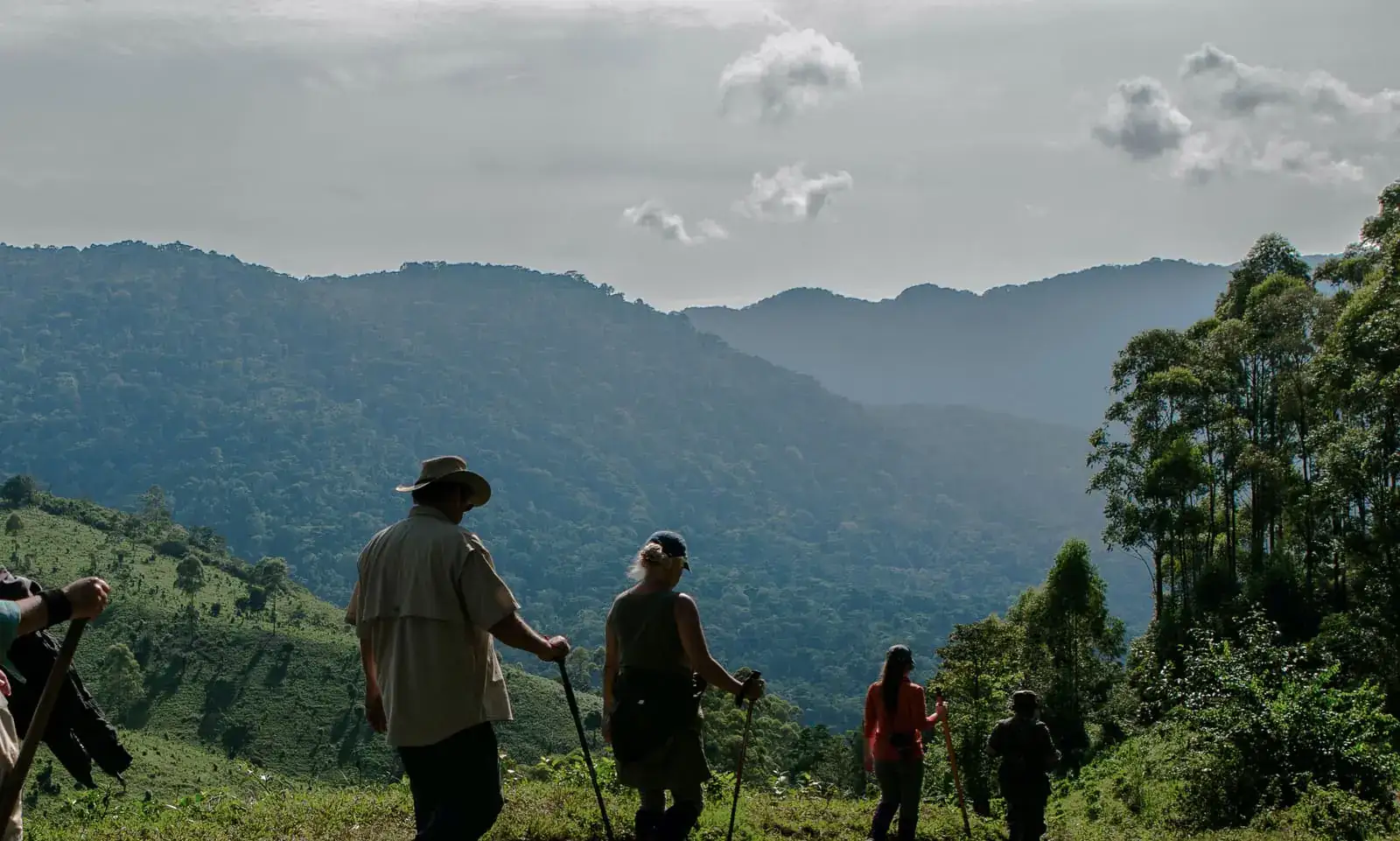
The terrain is arguably the most significant physical challenge of the trek, as you’ll navigate a pristine, dense rainforest environment often lacking established paths.
Expect to traverse continuously uneven ground, including steep volcanic slopes, deep valleys, and hills, where the soil is frequently saturated and turns into treacherous mud, demanding sturdy, ankle-supporting footwear.
Guides often have to clear a path through thick, tangled undergrowth and stinging nettles with machetes, and you will encounter natural obstacles like fallen logs, boulders, and streams that require agility and balance to cross. This rugged, wild environment, particularly dense in locations like Uganda’s Bwindi Impenetrable National Park, is a primary reason that hiring a local porter for physical assistance is strongly recommended to help you manage the strenuous gradients and slippery conditions.
Duration
The duration of a gorilla trek is highly variable and adds a layer of psychological difficulty to the physical challenge, as you must be prepared for the long haul. The actual time spent hiking can range dramatically, anywhere from as little as 30 minutes to six hours or more in the forest, not including the mandatory hour you spend observing the gorillas once located.
This unpredictability stems entirely from the gorillas’ free-roaming nature; they build new nests daily, and while expert trackers leave at dawn to locate them, your specific trek duration depends entirely on how far the assigned family has moved that day. You might luck into a quick walk to a nearby group, or face a full day of arduous hiking deep into the dense forest. Therefore, patience and an all-day mindset are essential, requiring preparation with sufficient water, snacks, and the mental fortitude for a potentially long expedition.
Altitude:
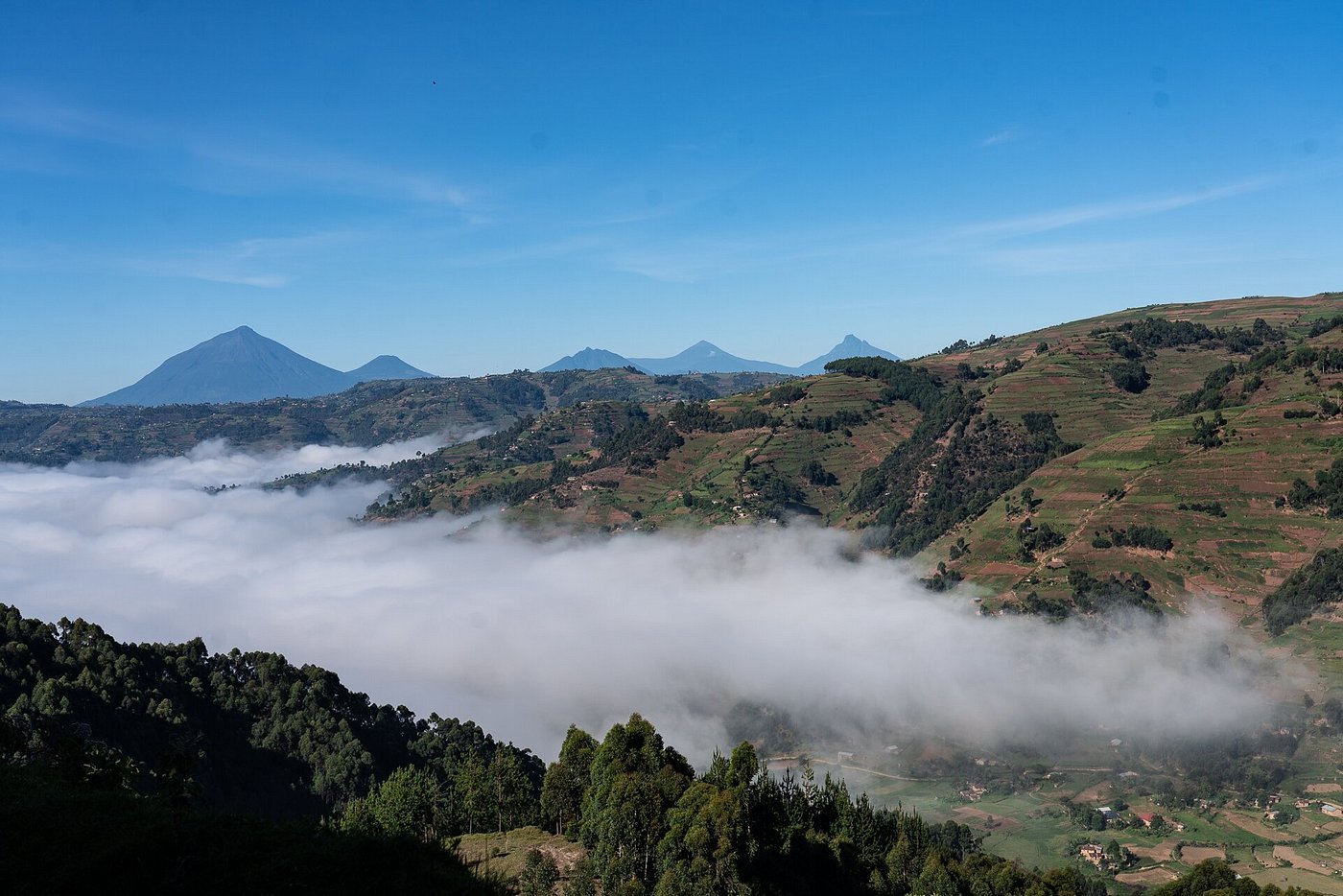
The high elevation of the gorilla habitats significantly contributes to the overall difficulty of the trek, as mountain gorillas exclusively reside in montane cloud forests and on volcanic slopes, with trek altitudes typically ranging from a minimum of around 1,160 meters (3,800 feet) to over 4,500 meters (14,700 feet) depending on the park.
The primary impact of this elevation is the reduction in available oxygen; as you climb the steep, rugged terrain, the thinner air makes breathing harder, causing even highly fit individuals to tire quickly and potentially experience mild symptoms of altitude sickness like lightheadedness or headaches. This altitude effectively acts as an exertion multiplier, turning an already strenuous physical activity into a challenging cardiovascular effort that requires prior physical preparation and a sensible pace, managed by guides who understand the effects of the elevation.
Weather
The weather is an influential and often unpredictable factor that significantly contributes to the difficulty of gorilla trekking, as the activity occurs exclusively within tropical rainforest ecosystems prone to sudden, heavy downpours. The climate is generally humid and cool due to the high altitude, but daily conditions fluctuate rapidly.
Rain is frequent throughout the year, especially during the long rainy season (March-May) and short rainy season (September-November), and it instantly transforms already rugged trails into extremely slick, muddy paths that demand intense concentration, balance, and physical effort to navigate safely. Even if you begin your trek under clear skies, you must be prepared for swift changes that make sturdy, waterproof hiking gear essential, as wet weather increases the physical demand and potential for slipping on the steep, dense terrain.
Location
The specific national park you choose significantly influences the difficulty of your trek, as the topography of the major gorilla habitats varies distinctly. Bwindi Impenetrable National Park in Uganda is generally considered the most challenging due to its truly dense, “impenetrable” forest character and a myriad of steep, rugged, and frequent ascents and descents that make for physically demanding hikes.
In contrast, Volcanoes National Park in Rwanda, while situated at higher overall altitudes, often features more defined trails through a mix of forest and open slopes, which can sometimes result in less strenuous and shorter treks compared to Bwindi’s consistently challenging terrain.
Mgahinga Gorilla National Park (Uganda) and Virunga National Park (DR Congo) offer variations on the volcanic landscape, but all locations require an acknowledgement that park-specific geography dictates the level of physical exertion required.
How to Make the Gorilla Trek Easier
Useful things that are going to result in you having a better experience when gorilla trekking include:
Physical Preparation
Engage in regular cardiovascular exercises and practice hiking on uneven or hilly terrain in the months leading up to your trip.
Go in the Dry Season if you’re Concerned about your Fitness
The dry season months of June to August and December to February are usually better than the wet season months for getting around as the ground is not as muddy. The wet season often provides better photo opportunities as the rain clears away the dust, allowing for better visibility of the gorillas.
Use of Equipment
Sturdy, waterproof hiking boots with good ankle support are essential.
Either bring your own walking stick or accept the offer of one from the gorilla trekking headquarters. You will be surprised how useful a walking stick is when trekking through the rainforests of Central Africa! Walking sticks offer you stability that is often required and equally assist in holding back some of the thick bush that can block your path.
Also bring gaiters. It does not matter if they are not fashionable! If you hit thick mud which is more than likely to be the case, then you will not regret having gaiters. These both protect your boots and lower half of your trousers from either filling up with muddy water or getting covered in mud, but also stop any creepy crawlies from making their way down into your boots!
Porter
Don’t be proud! Take a porter. This will help you, and the money you pay goes back into the local community and supports local families; every penny counts.
A porter also becomes your inside line into the local life and community of the gorilla parks; they will often become your friend, willing you on along the way and helping you in what is their terrain. And finally, it is challenging work trekking through rainforests so let someone else carry your bag that knows the terrain!
Communicating Your Needs
Inform your tour operator or guides in advance about your fitness level or any mobility issues. They can arrange for an easier-to-reach gorilla family or organize for you to be carried in a sedan chair by a team of porters if needed.
Pacing Yourself
Guides will move at the pace of the slowest person in the group and take breaks as needed.
In Summary
If you are worried about your fitness or which season to travel in, then contact us and one of our gorilla experts will talk through your requirements to advise you on the best course of action.