Rwanda Gorilla Trekking Tours & Safaris
overview
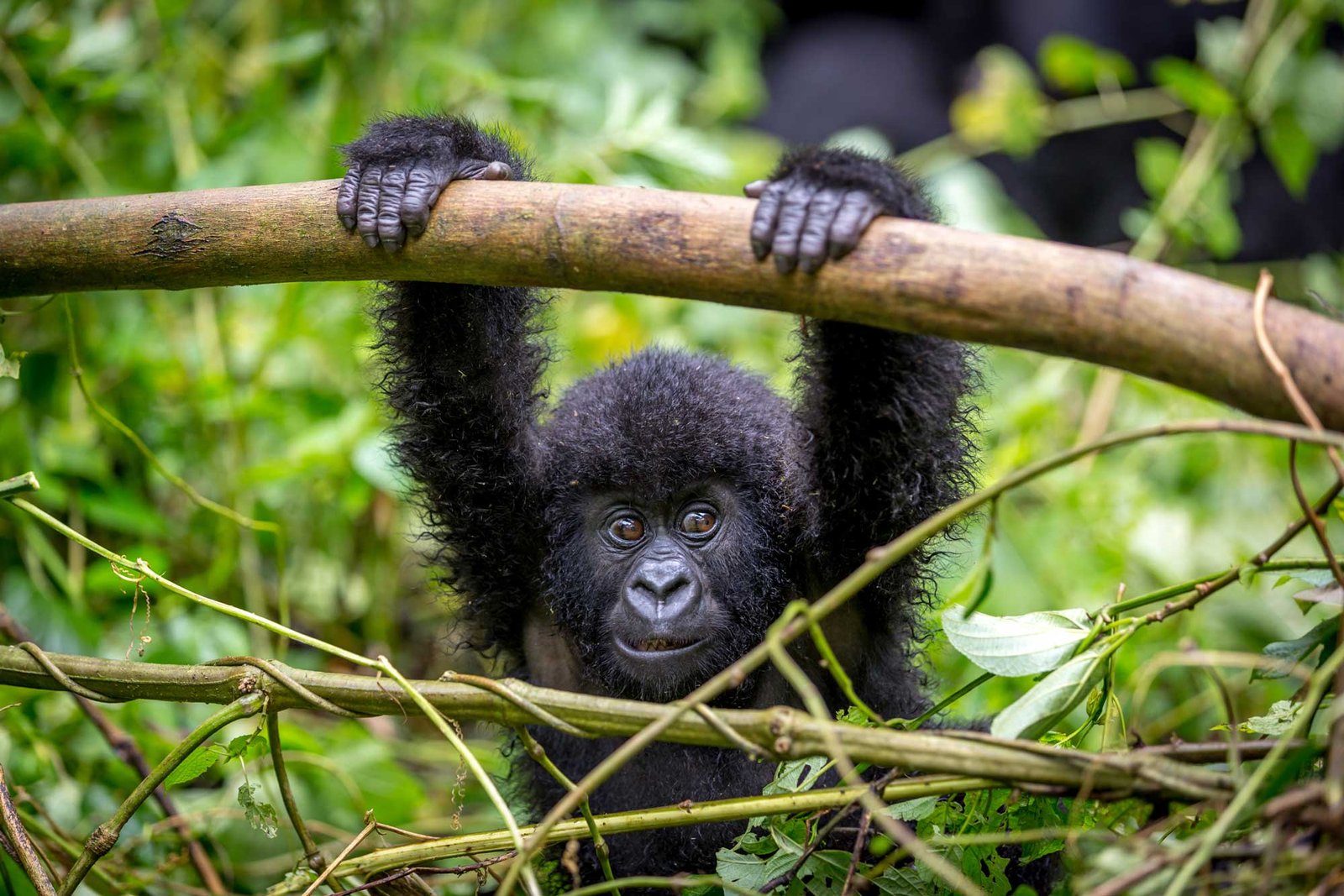
Rwanda gorilla trekking is one of the most unforgettable wildlife experiences in the world. Walking through Volcanoes National Park and coming face to face with a family of wild mountain gorillas is life-changing. Every trek makes a real difference. Gorilla trekking supports forest restoration and conservation projects. Thanks to these efforts, the number of mountain gorillas in the Virunga Mountains is slowly growing. Your visit doesn’t just help the gorillas. It also supports local communities, creating jobs and improving lives. When you go gorilla trekking in Rwanda, you’re helping nature and people at the same time.
Key Highlights
- Location: All gorilla treks take place in Volcanoes National Park, about a 2-hour drive from Kigali. The park sits in the high-altitude Virunga Mountains.
- Permit Cost: Gorilla permits cost $1,500 per person for international visitors.
- Booking: Permits are limited to 96 per day. Book well in advance to secure your spot.
- Best Time to Visit: Treks are possible year-round. The dry seasons (June–September and December–February) offer easier hiking and less mud.
- Physicality: Treks can be physically demanding, with hikes ranging from 2,500m to 4,000m in elevation.
RWANDA GORILLA TREKKING TOURS
Ready for the adventure of a lifetime? Explore our curated mountain gorilla trekking tours in Rwanda, in the heart of Africa. From short, unforgettable encounters to immersive multi-day safaris, there’s an itinerary for every traveler. Find the journey that fits your dream and create memories that last forever.
The Trekking Experience
The gorilla trekking experience in Rwanda is a renowned wildlife adventure that takes place in Volcanoes National Park, offering a rare, intimate encounter with endangered mountain gorillas in their natural habitat. This life-altering experience is a key part of Rwanda’s luxury tourism model and conservation efforts.
What to Expect
Morning Briefing: The day starts early, around 7:00 AM, at Kinigi park headquarters. You’ll get a briefing on the rules and safety. You’ll also be assigned to one of the 12 habituated gorilla families. Assignments are based on your fitness and the gorillas’ location.
Duration and Difficulty: The trek can take 30 minutes to over 6 hours, depending on how far the gorillas have moved to feed. The terrain is rugged—steep, muddy, and often slippery. You’ll be walking at high altitudes, between 2,400m and 4,500m.
Physical Demands: A moderate fitness level is recommended. You’ll hike on uneven ground and through thick vegetation. Guides and porters are available for a small fee (around $20 USD). They can carry bags and help on difficult sections. Your fee also supports local communities.
The Encounter: Once trackers locate the gorilla family, you’ll spend one hour with them. This is your chance to quietly observe their natural behavior—feeding, grooming, and playing.
Post-Trek: After the hour, you hike back to the starting point. The return can also be challenging, so pace yourself. Most visitors leave with a sense of accomplishment and exhilaration.
Tips for a Successful Trek:
Book your permit early: Permits are limited—only 8 people per gorilla family per day. They can sell out 6–12 months in advance, especially in the dry season. No permit, no trek.
Pack the right gear: Bring sturdy, waterproof hiking boots with ankle support. Wear long pants and long-sleeved shirts to protect from nettles. Gloves help grip vegetation. A lightweight rain jacket or poncho is essential.
Follow the rules: Gorillas can catch human diseases. Stay at least 7 meters (21 feet) away. No flash photography. Do not trek if you are sick. Always listen to your guide.
Hire a porter: For about $20–$25 USD, a porter can carry your daypack and help on difficult sections. It also supports local communities and conservation.
Choose the dry season: June–September and December–February are best. Trails are drier, easier, and safer. Trekking is possible year-round, but wet season trails are much tougher.
The COST OF GORILLA TREKKING IN RWANDA
Gorilla trekking in Rwanda is positioned as a premium “high-end” experience. The primary cost is the mandatory permit, which is the most expensive in Africa.
Mandatory Permit Fees (Per Person)
The cost of the permit depends on your residency status and is fixed by the Rwanda Development Board (RDB):
- Foreign Non-Residents: $1,500.
- Foreign Residents (living in Africa): $500.
- African Citizens (outside East Africa): $500.
- East African Citizens (EAC): $200.
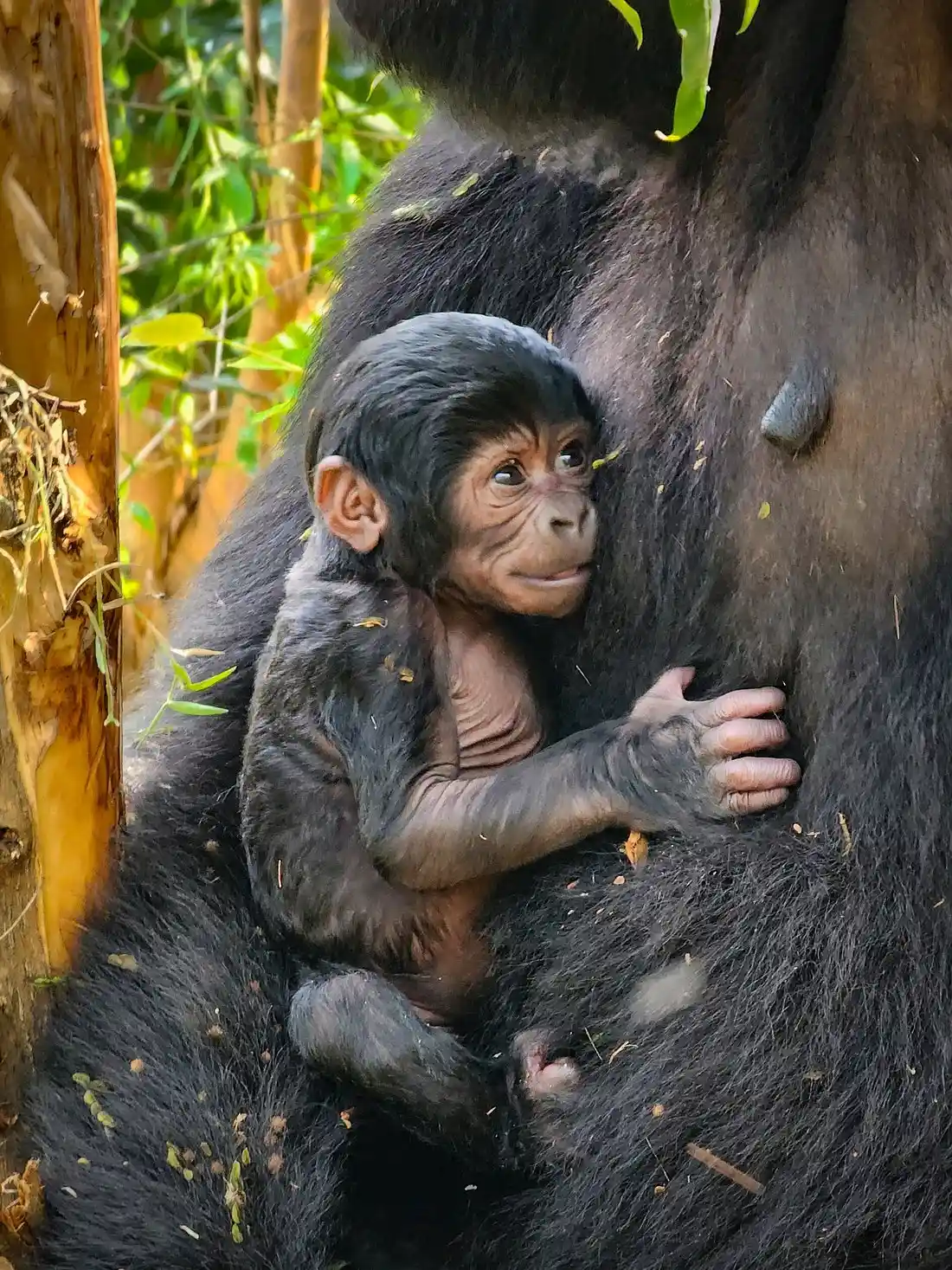
What the permit includes: Park entrance fees, a 1-hour encounter with a habituated gorilla family, and the services of an armed ranger and professional guide.
Estimated Total Trip Costs
While the permit is a fixed cost, total expenses vary by accommodation and duration.
1-Day Trek: Approximately $1,700 – $2,100 (includes permit, private transport from Kigali, and guide).
3-Day Mid-Range Safari: Approximately $2,300 – $3,300.
3-Day Luxury Safari: Approximately $4,000 – $6,000+.
Additional Breakdown of Expenses
Accommodation:
Budget: $120 – $200 per night.
Mid-range: $200 – $400 per night.
Luxury: $500 – $3,000+ per night.
Transport: Private 4×4 vehicle rental with a driver-guide typically costs $100 – $250 per day.
Porters: Highly recommended to help carry bags through rugged terrain; cost is $15 – $25 per trek.
Tipping: Recommended rates are approximately $10 – $15 for the park guide and $5 per tracker from the group.
Cost-Saving Tips
Low-Season Discount: A 30% discount (reducing the permit to $1,050) is sometimes available from November to May if you also visit other national parks like Akagera or Nyungwe.
Group Sharing: Traveling in a group of 2 or more can significantly reduce the per-person cost of transport and accommodation.
Talk To a friendly team
+256 (704) 630 390
+256 (394) 860 595
Call us Mon-Sun 9am-8pm
Email: info@trekwildgorillas.com
Gorilla Safaris
Contact
- +256 (704) 630 390
- +256 (394) 860 595
- info@trekwildgorillas.com
- wildfriendsug@gmail.com
Trekwildgorillas.com
Typically replies within minutes
Have A Question About Gorilla Trekking?
Contact Us
Online | Privacy policy
WhatsApp us